The institution of Waqf represents one of the most enduring traditions of philanthropy, public service, and community welfare in Islamic civilisation. Rooted in the spirit of voluntary endowment, Waqf has historically supported religious, educational, social, and charitable causes, while contributing to the preservation of spiritual and cultural heritage across generations.
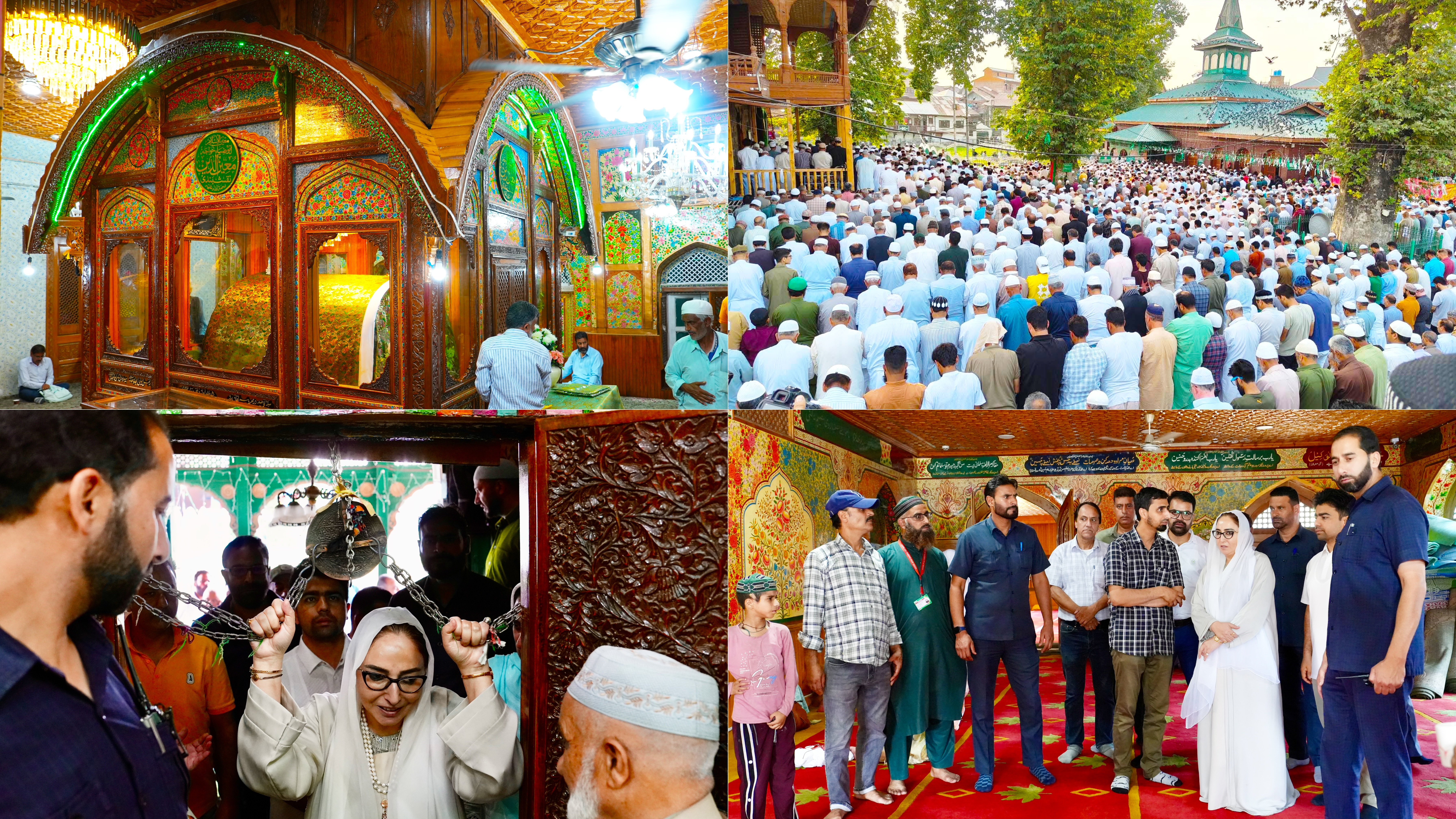
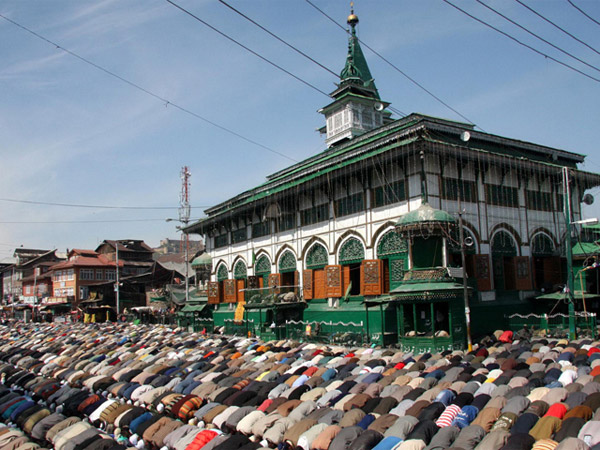
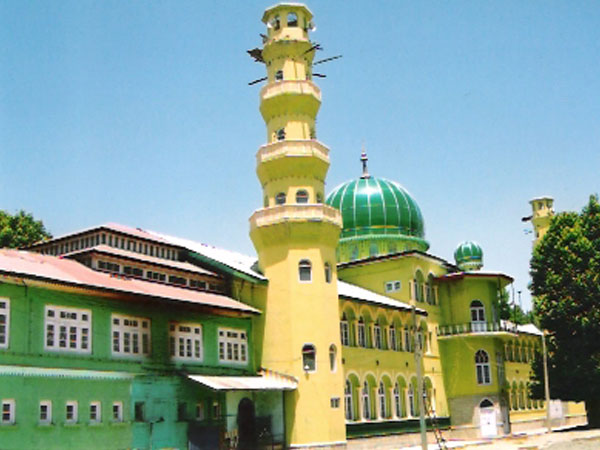
In Jammu & Kashmir, the tradition of Waqf has deep historical roots and is closely connected with the region’s rich Sufi heritage, spiritual traditions, Ziyarat, Shrines, Mosques, and religious institutions. For generations, these sacred spaces have served not only as places of worship and devotion, but also as centres of spiritual learning, compassion, community service, and social harmony.
Over time, a structured system of administration and protection has evolved to ensure that Waqf properties and institutions continue to fulfil the noble purposes for which they were entrusted. Following the Jammu and Kashmir Reorganisation Act, 2019, the legal and administrative framework governing Waqf in the Union Territory was brought in alignment with the applicable national framework. The Jammu & Kashmir Waqf Board was accordingly constituted as the statutory institution entrusted with the management, regulation, protection, and development of Waqf properties across the Union Territory.
Today, the Jammu & Kashmir Waqf Board stands as a leading institution responsible for the administration and development of numerous Shrines, Ziyarat, Mosques, graveyards, educational institutions, and other Waqf properties across Jammu & Kashmir. As the custodian of a rich spiritual and cultural heritage, the Board remains committed to safeguarding Waqf assets, strengthening religious and educational institutions, promoting charitable and welfare activities, and delivering efficient, transparent, and citizen-centric administration.
Preserving the Sacred Heritage of Kashmir
The Jammu & Kashmir Waqf Board carries a profound responsibility towards preserving the sacred spiritual heritage of the region, where centuries-old Sufi traditions and religious values continue to hold a deep and enduring place in the hearts of the people. The true purpose of Waqf extends beyond the management of properties; it is about protecting sacred spaces, preserving religious heritage, strengthening faith, promoting religious activities, and ensuring that these institutions continue to inspire generations to come.
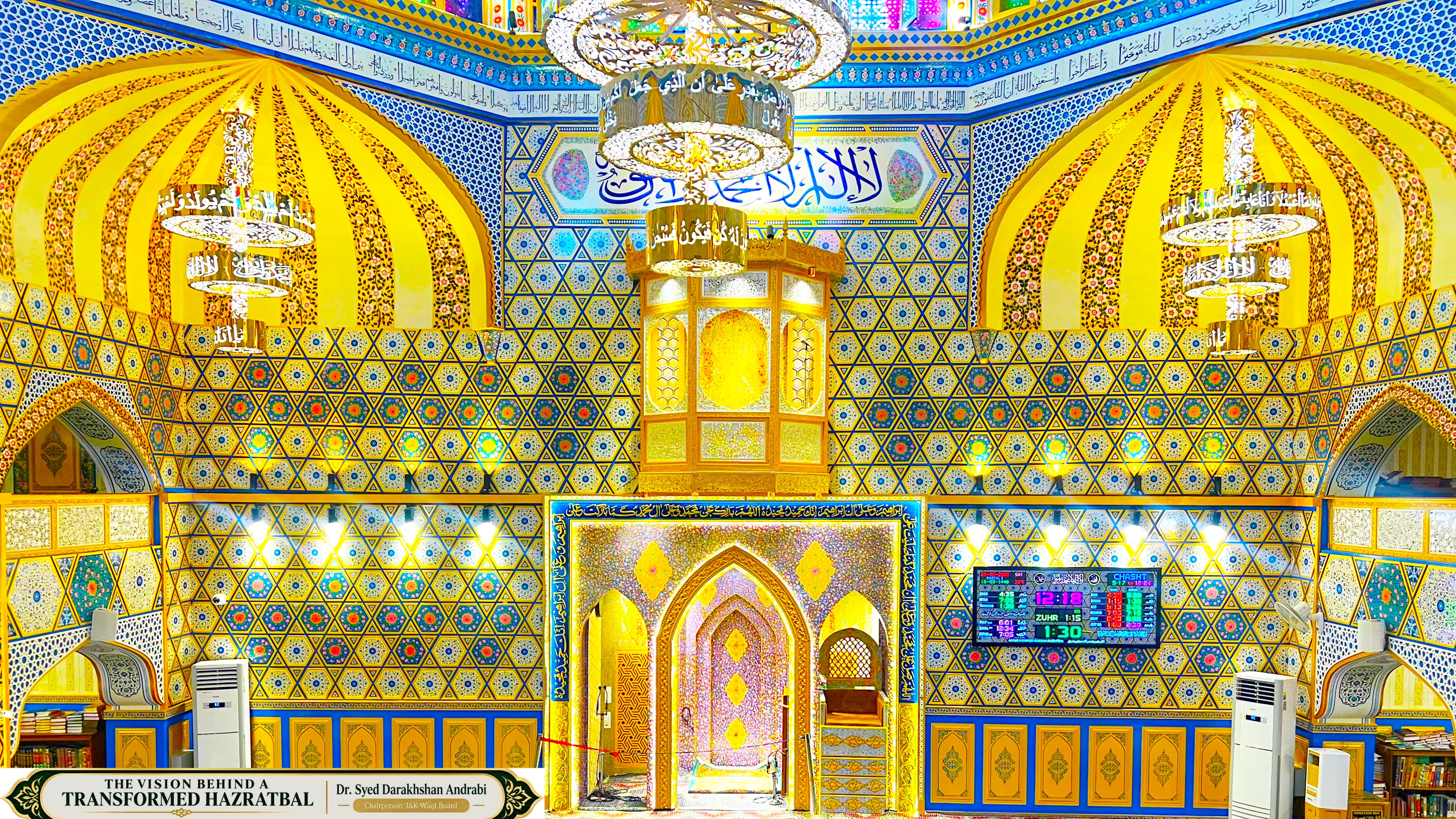
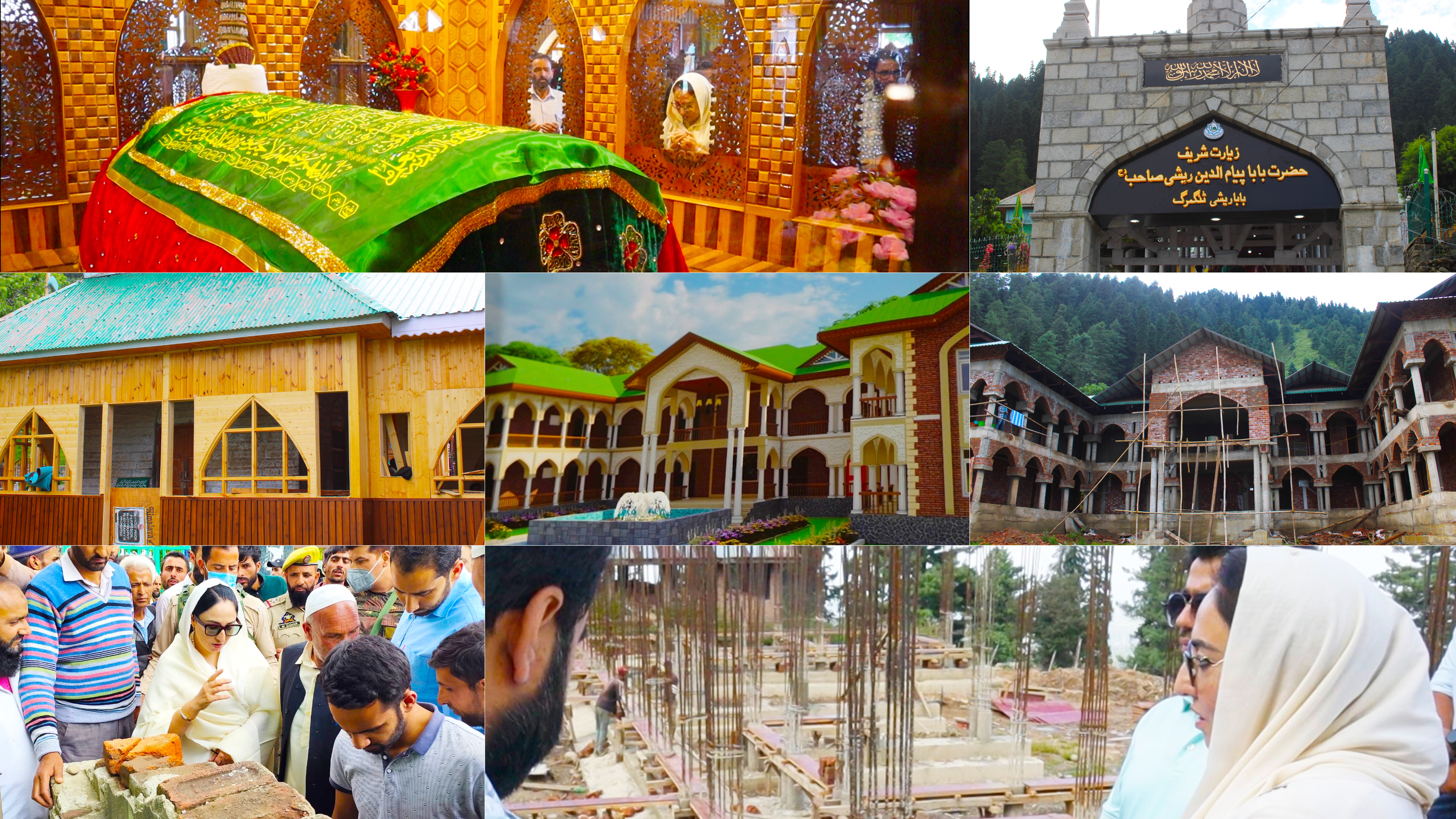
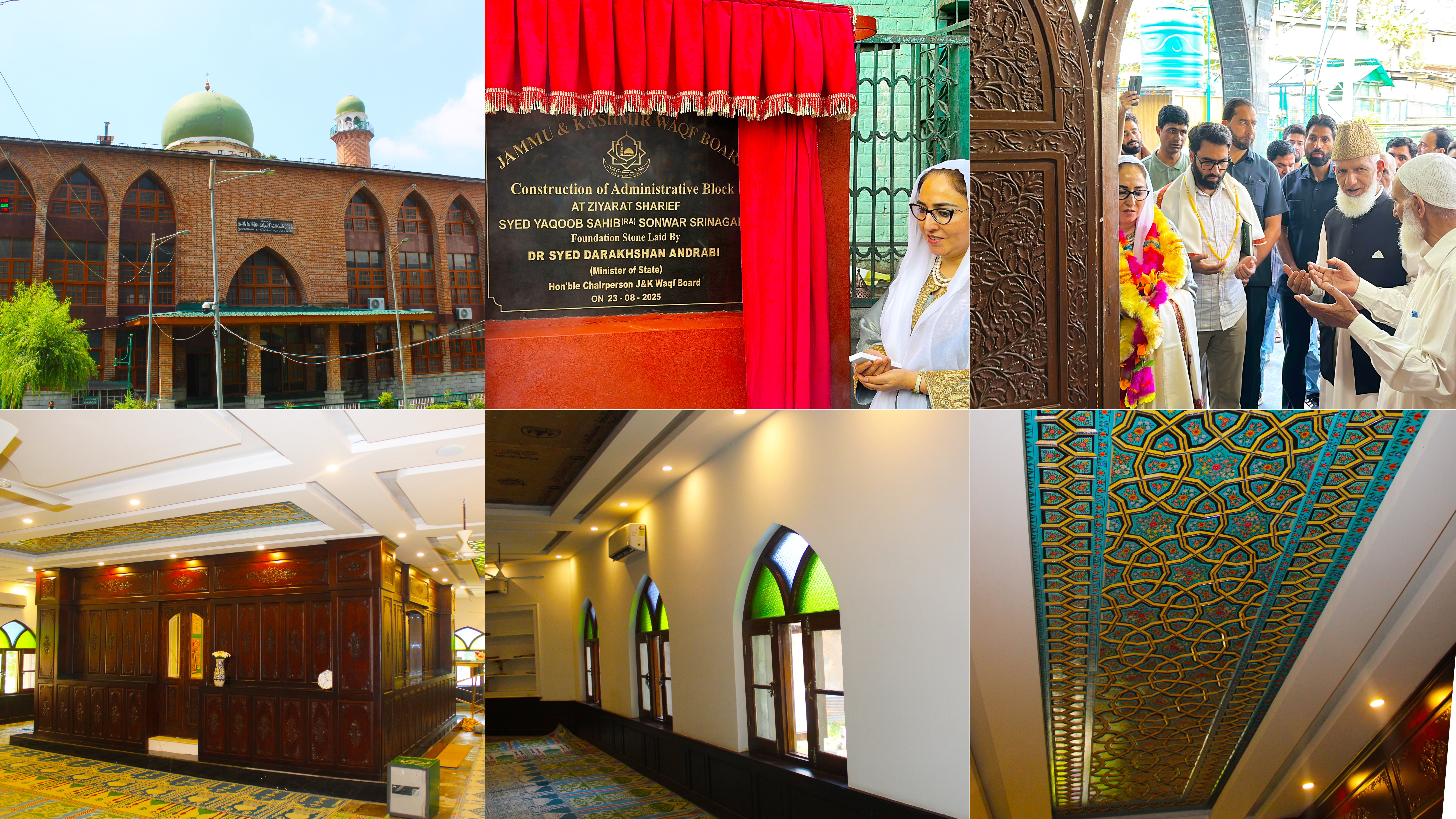
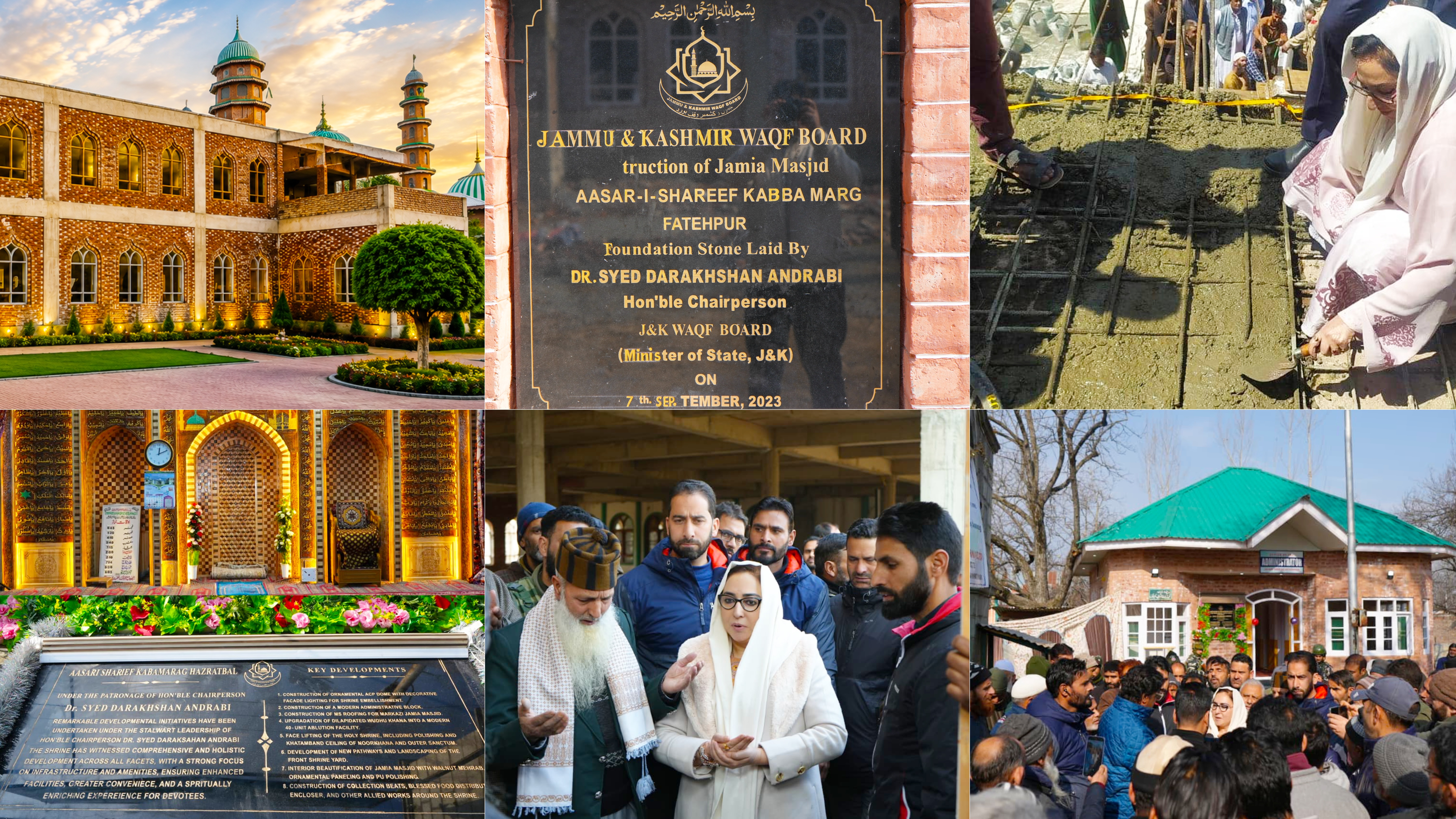
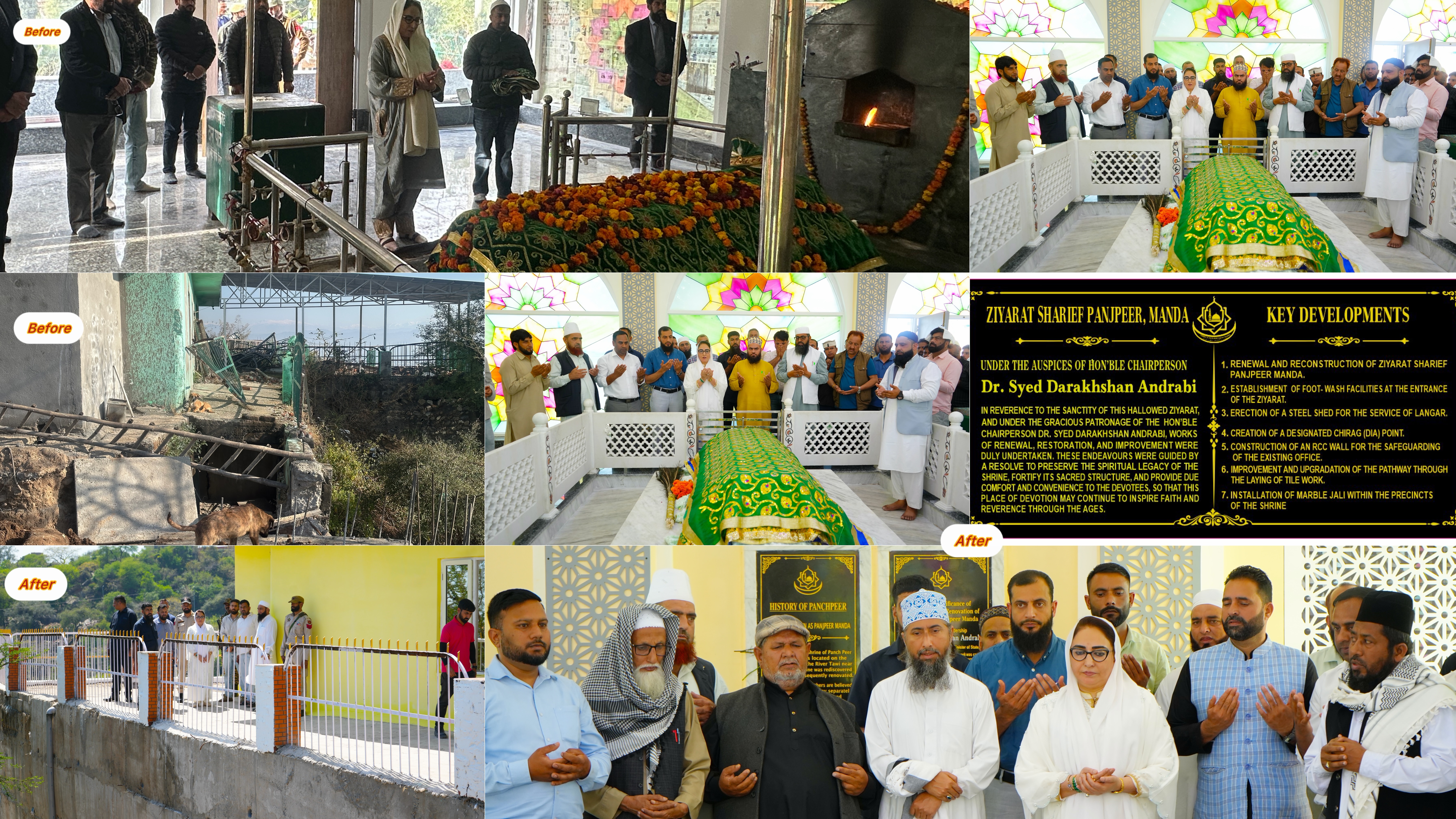
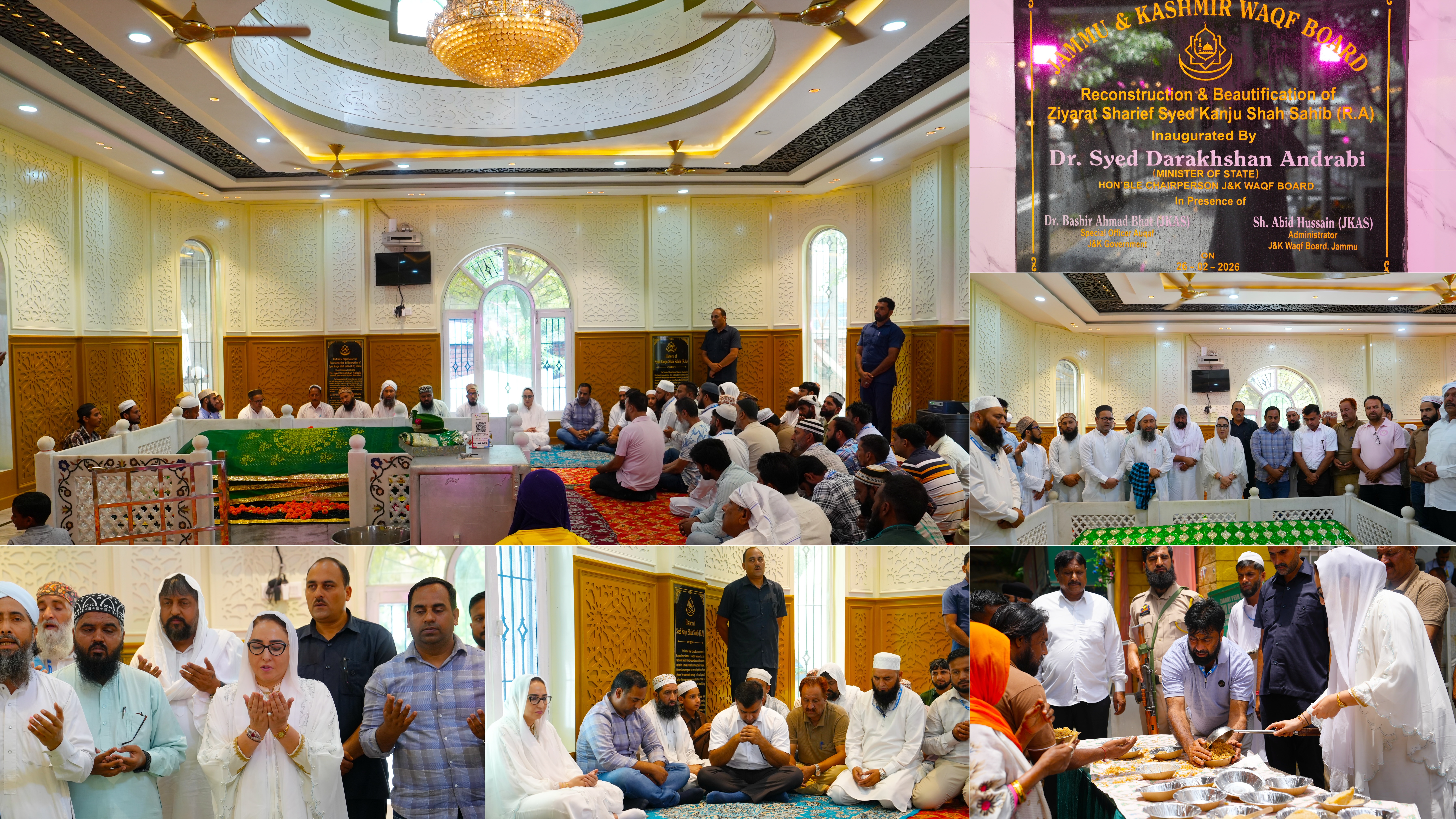
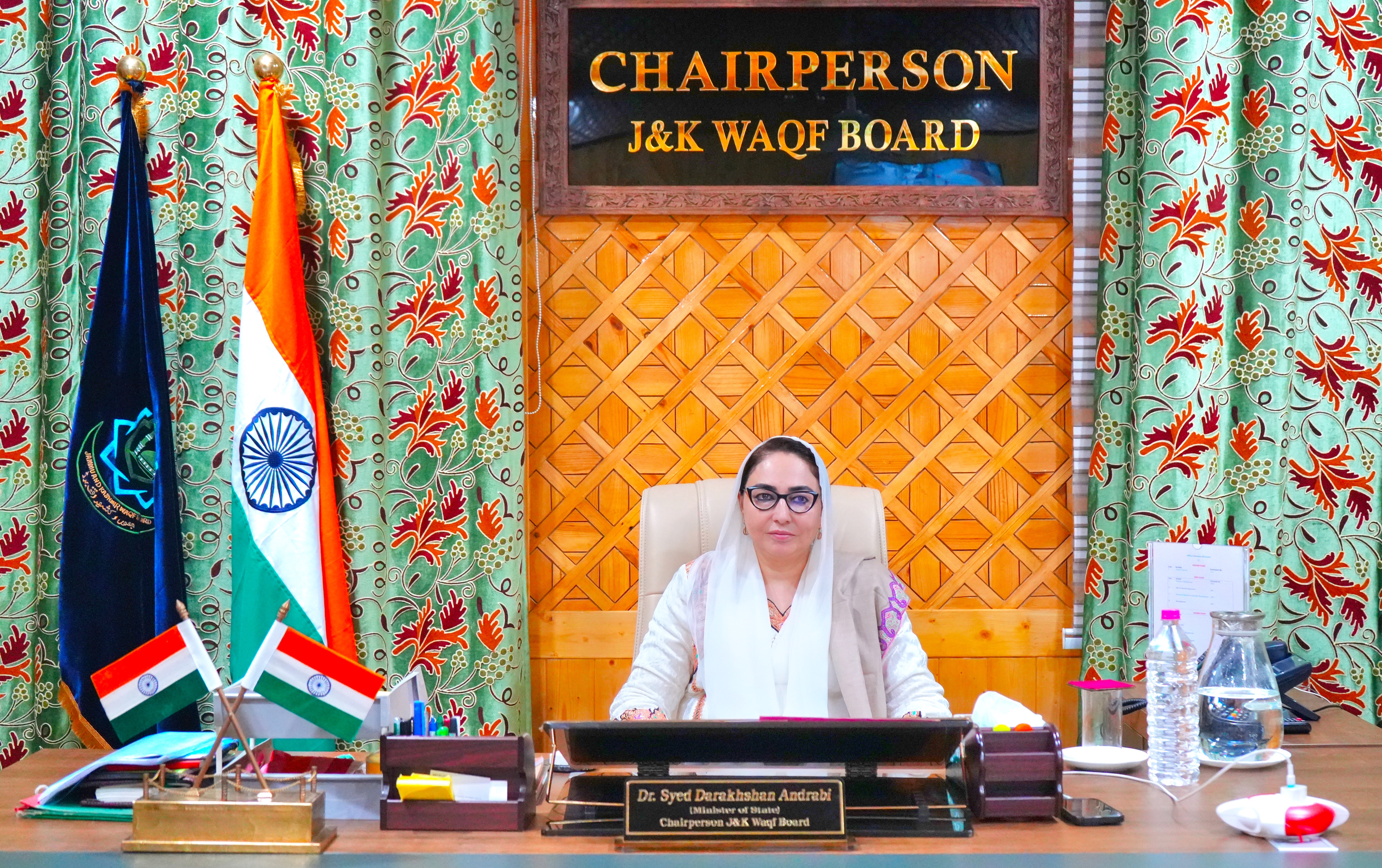
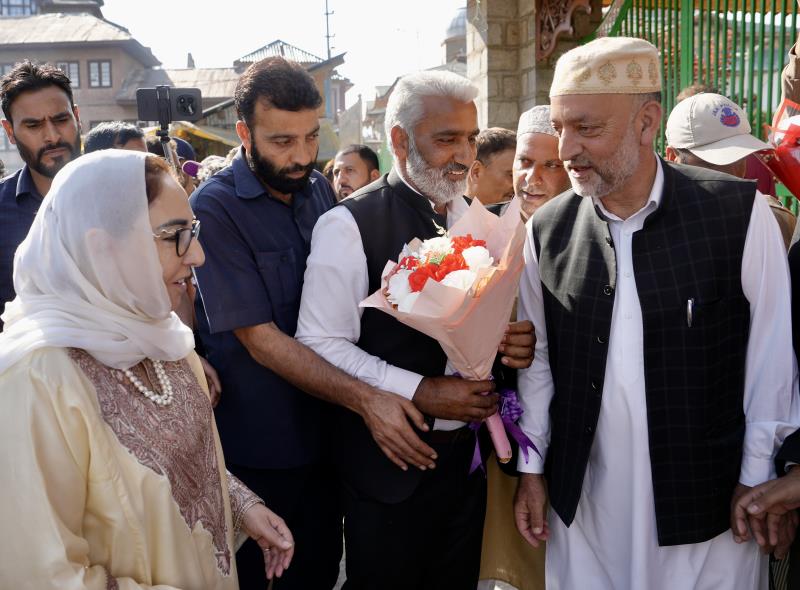
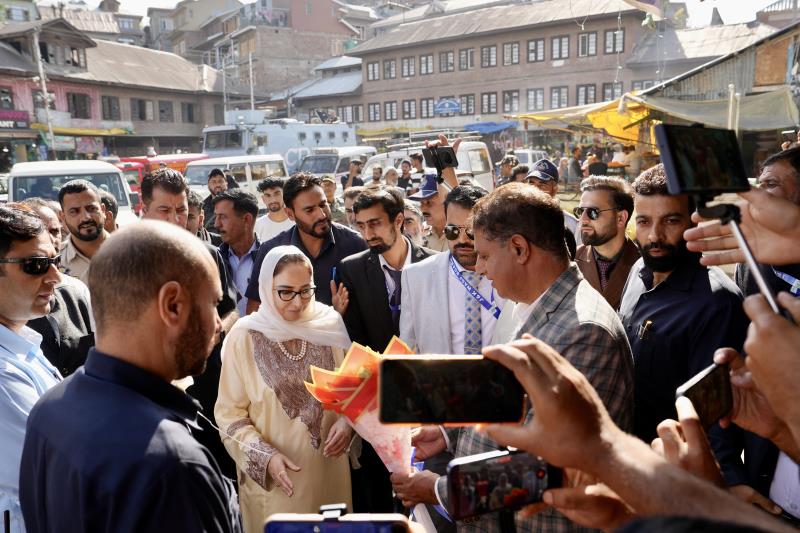
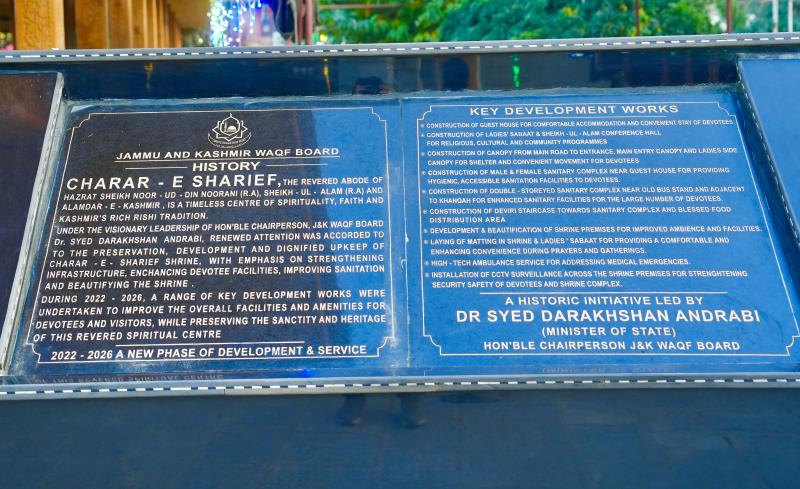
Under the leadership of Dr. Syed Darakhshan Andrabi, Hon’ble Chairperson, a renewed emphasis has been placed on the preservation, restoration, beautification, and modernization of Waqf-managed Shrines and Ziyarat, while maintaining their spiritual character, sanctity, and traditional identity.
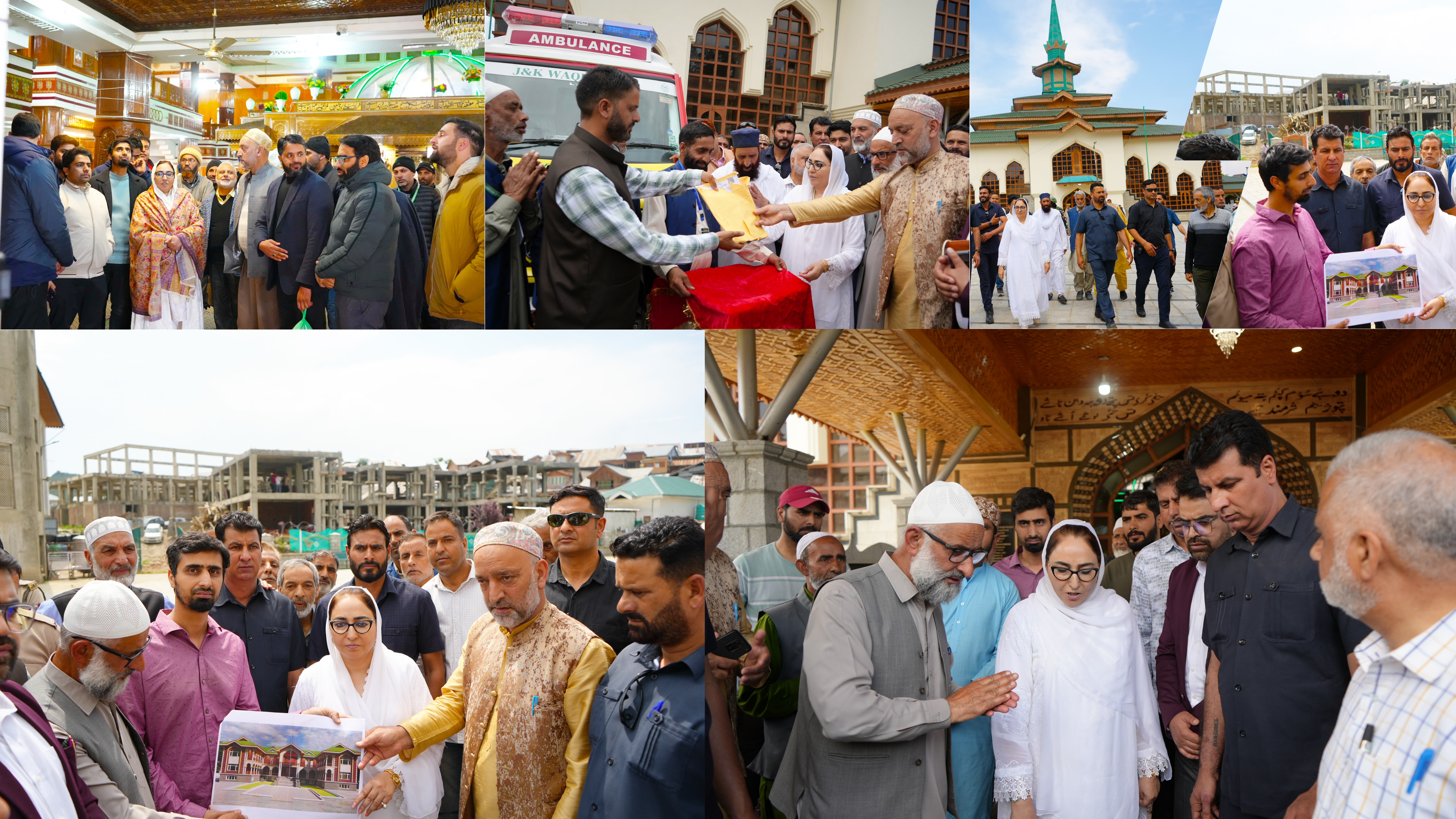
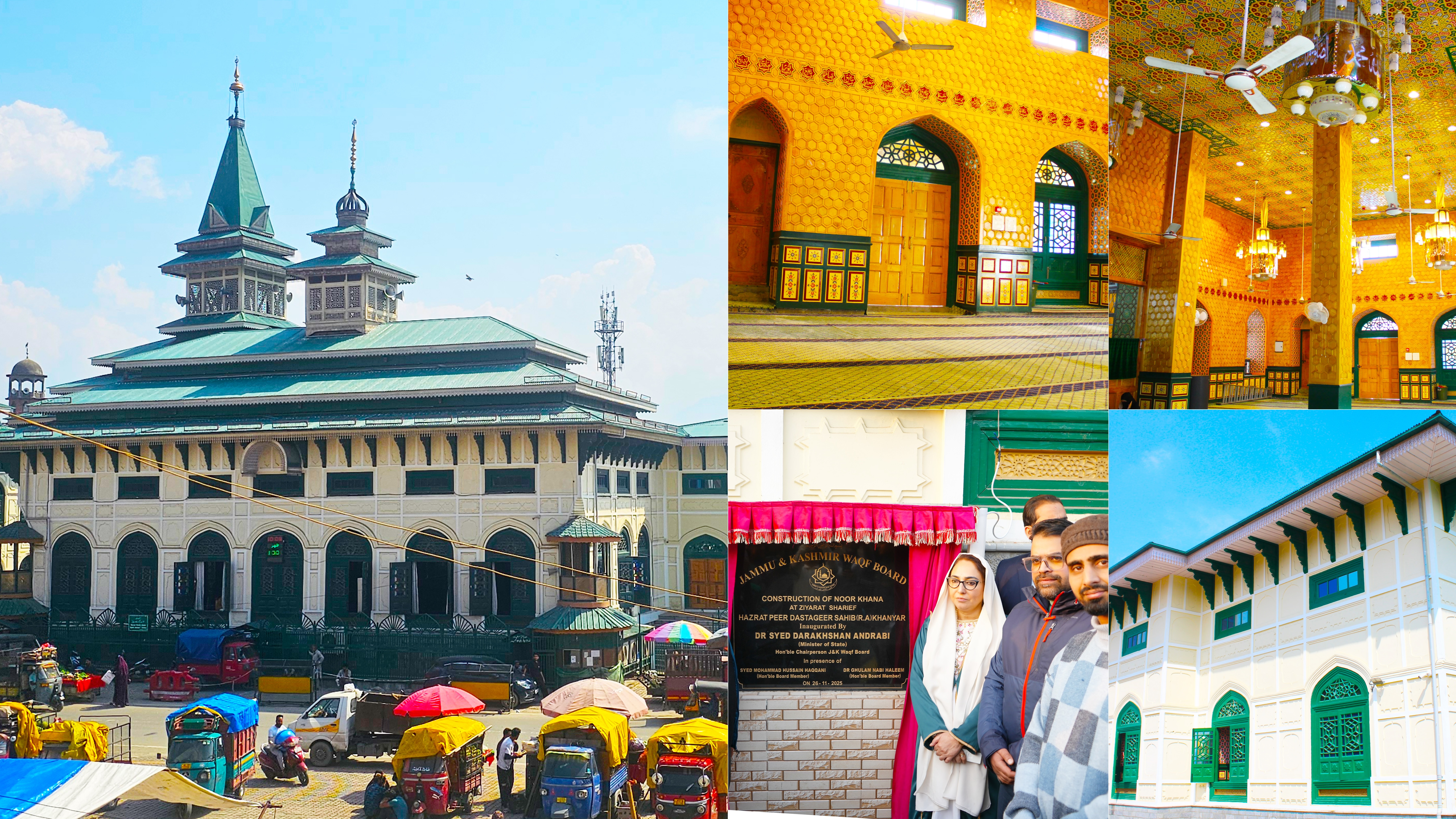
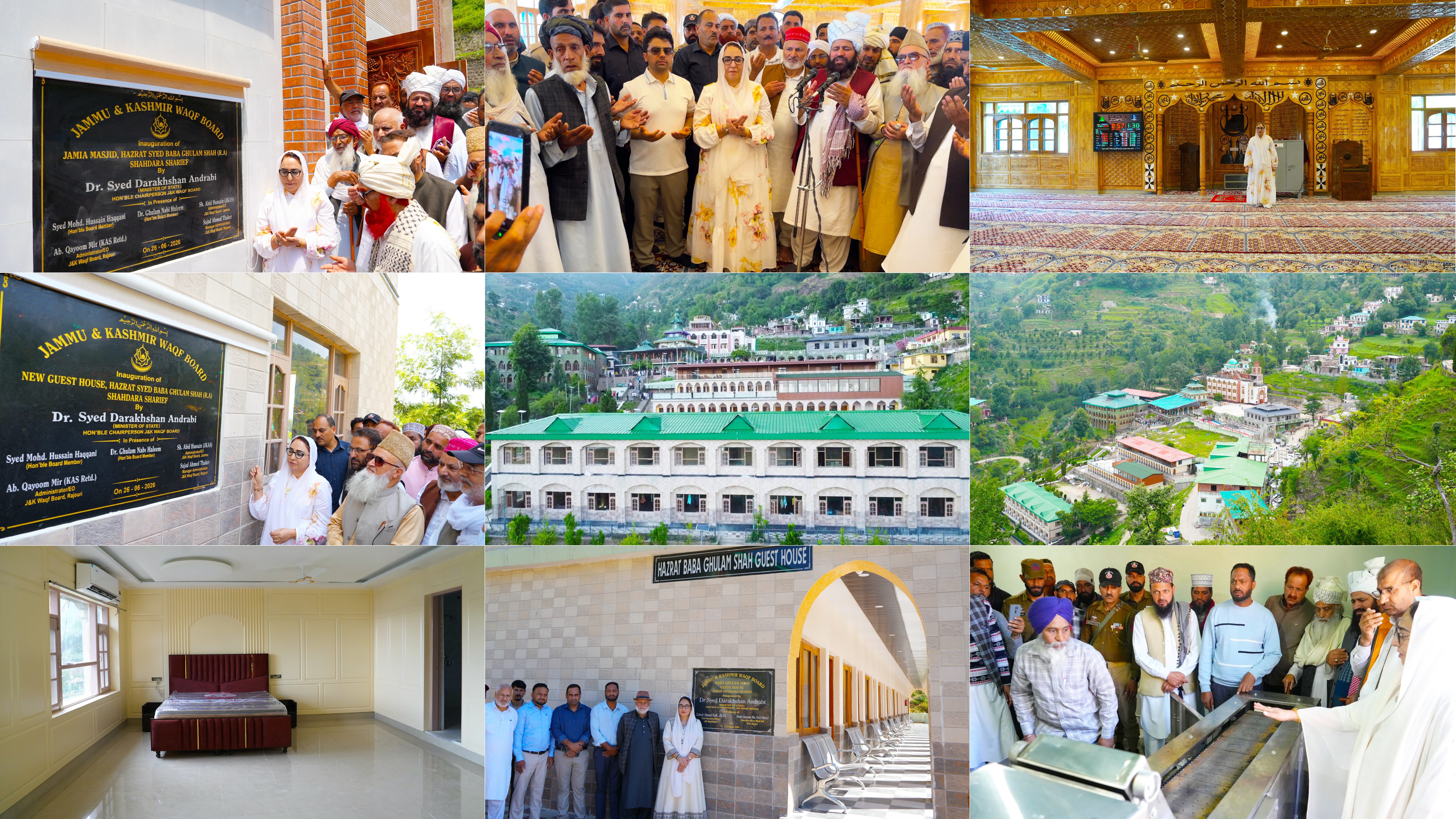
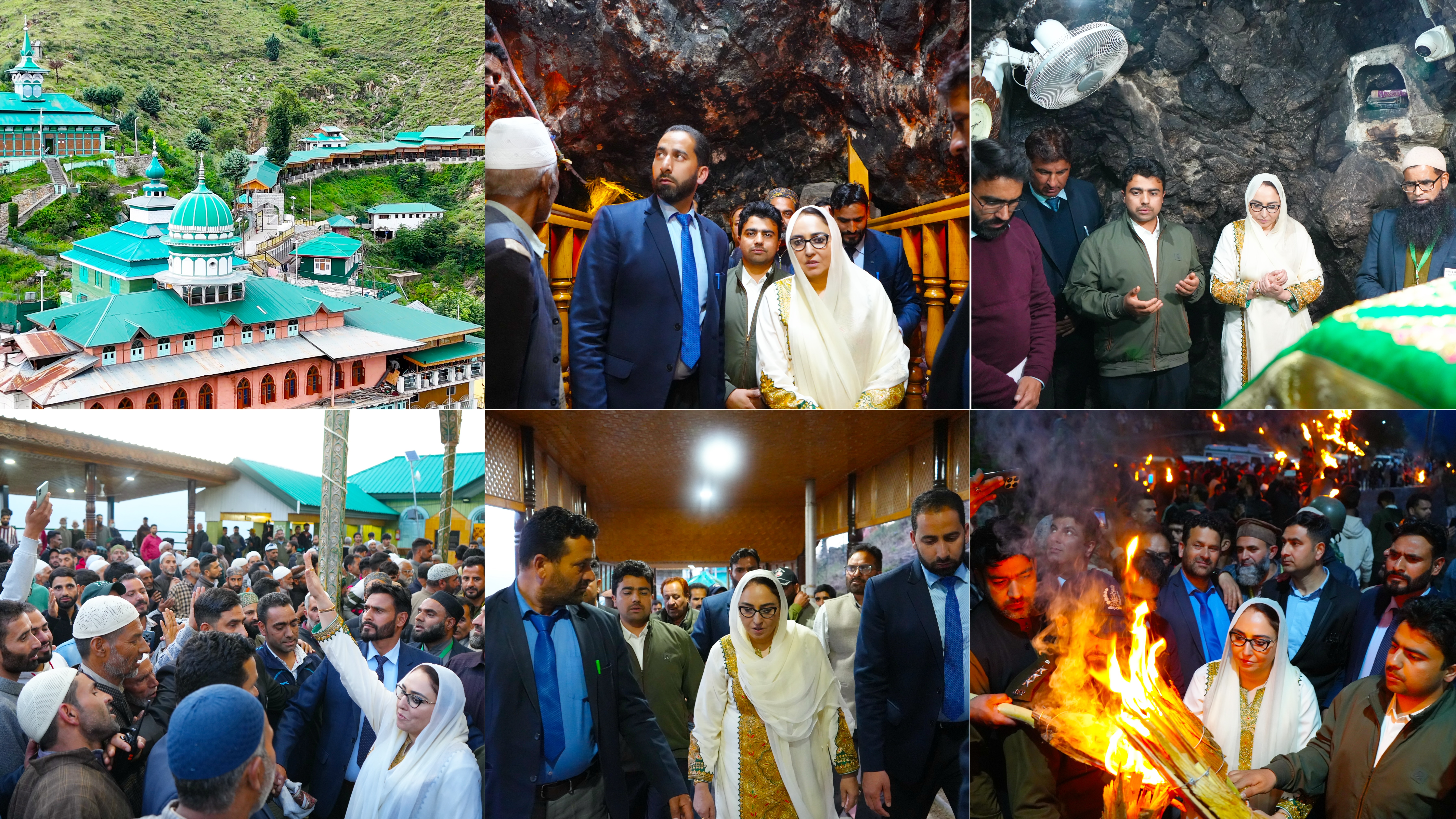
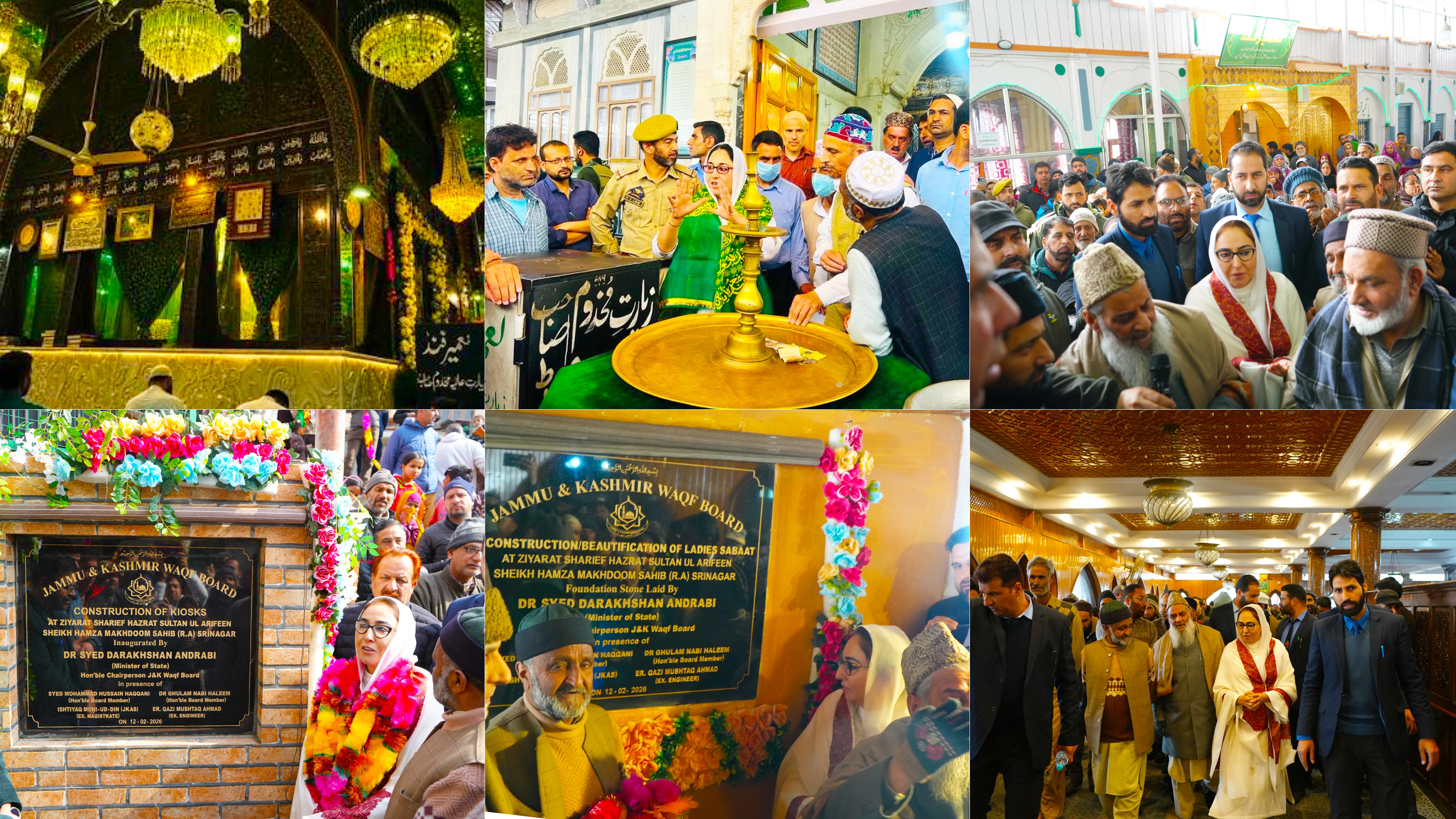
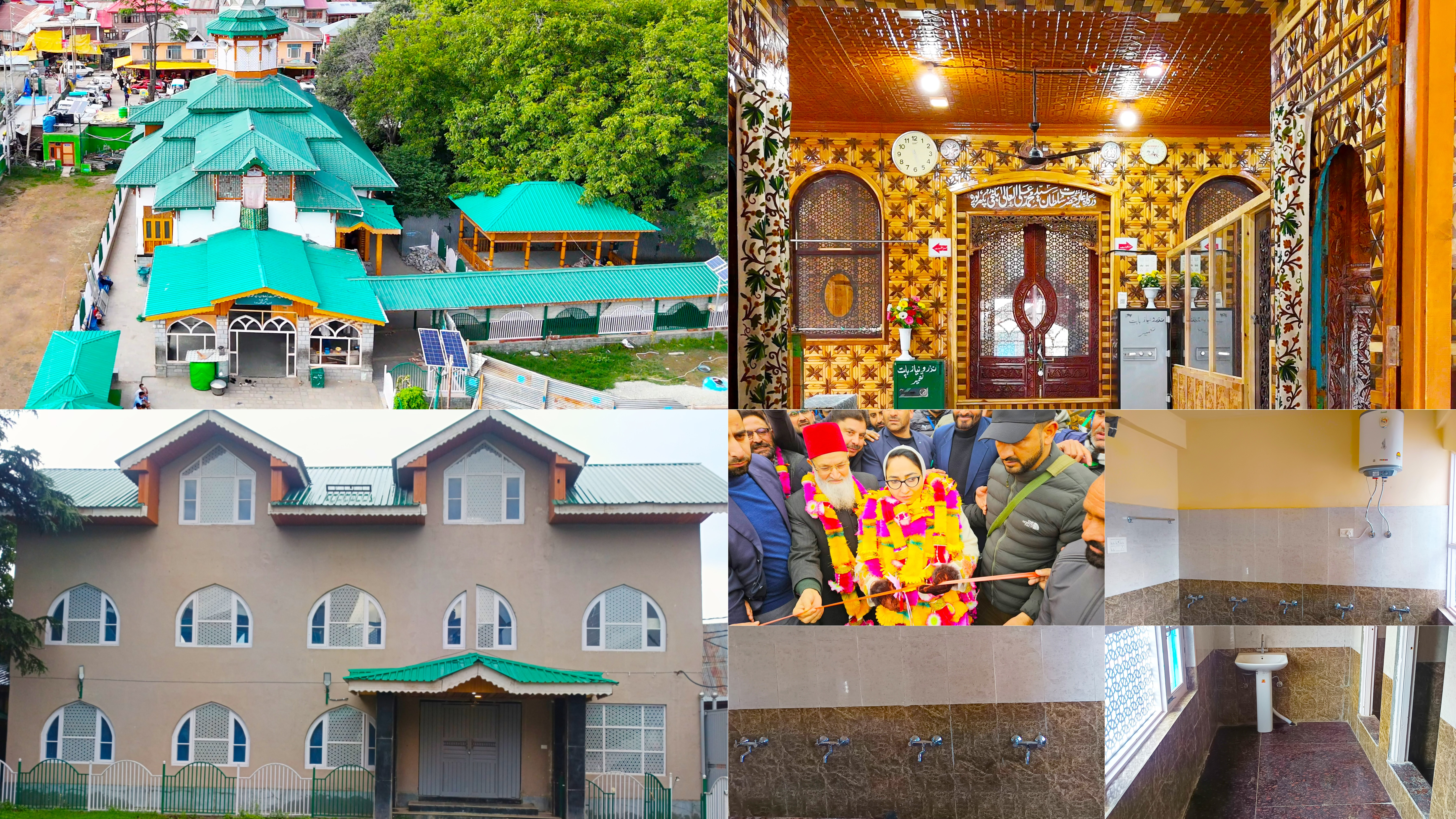
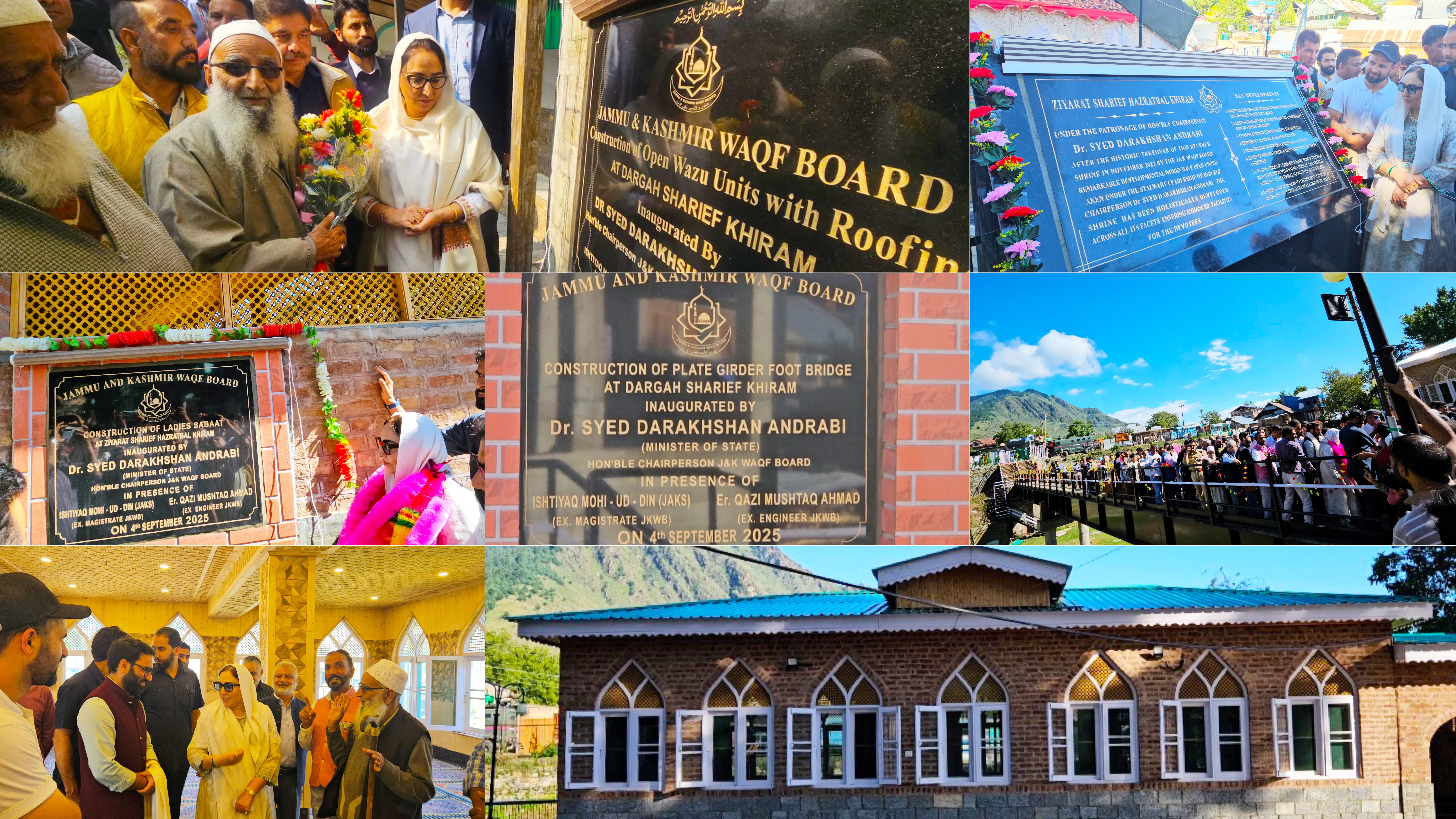
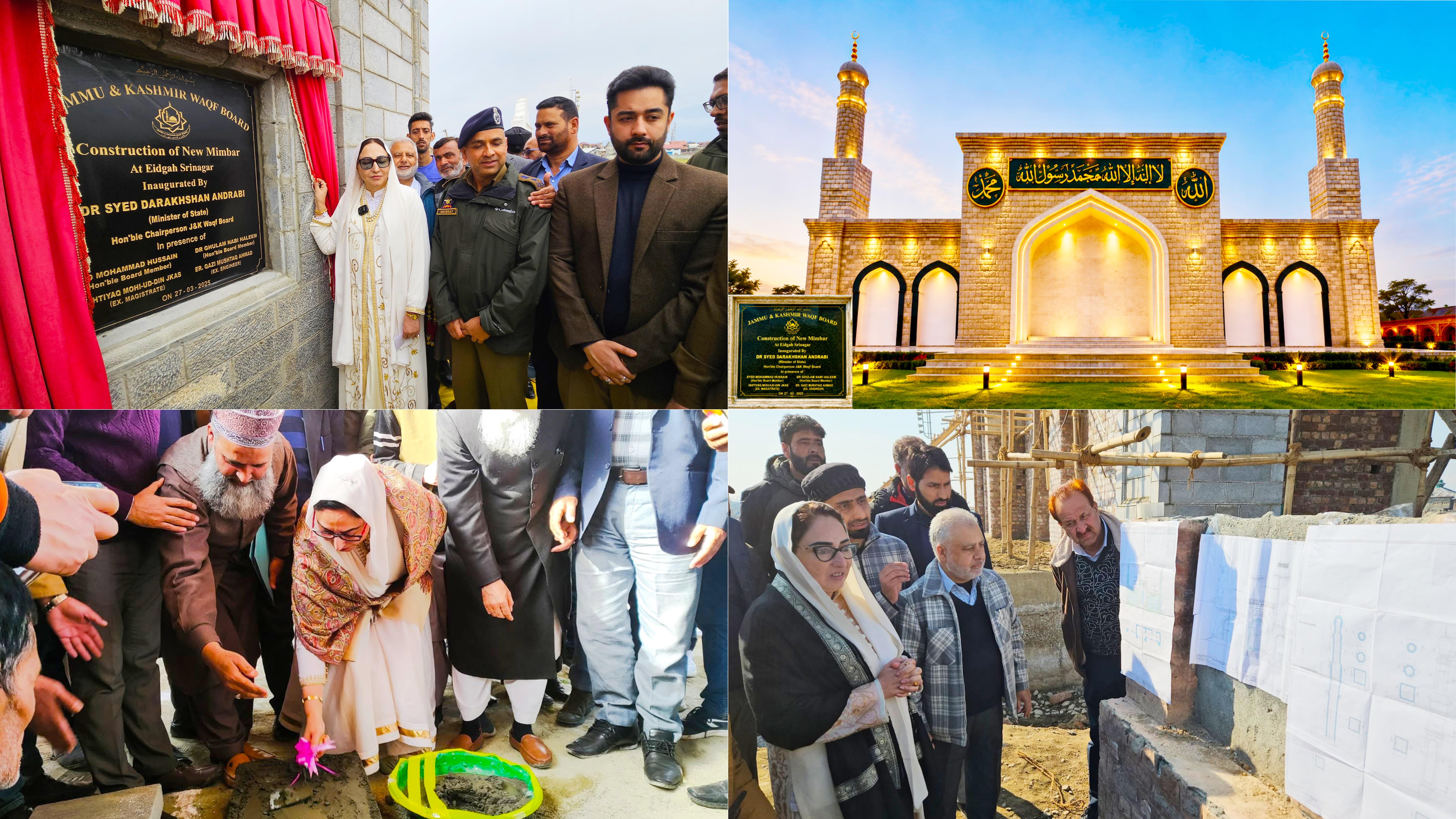
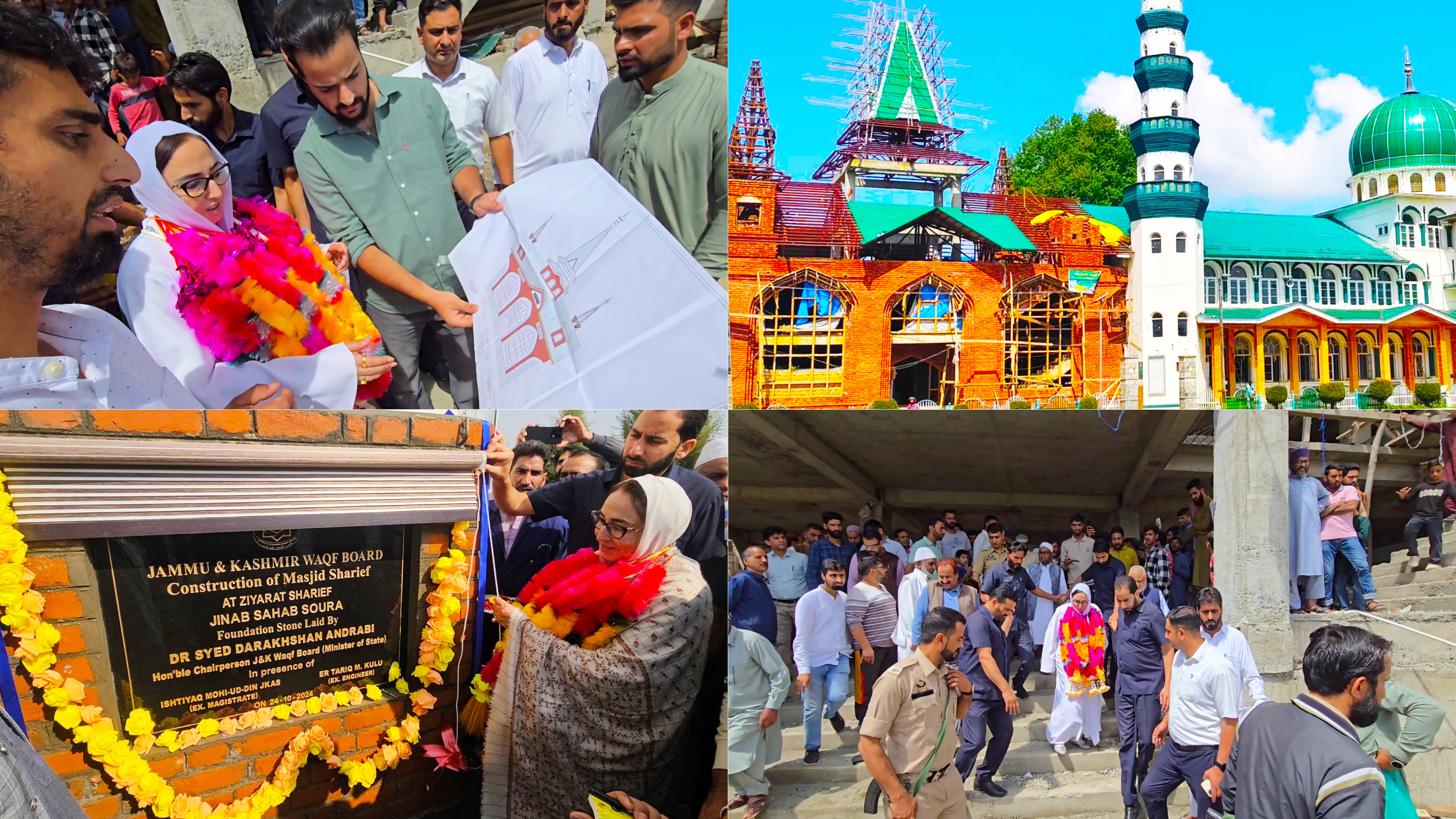
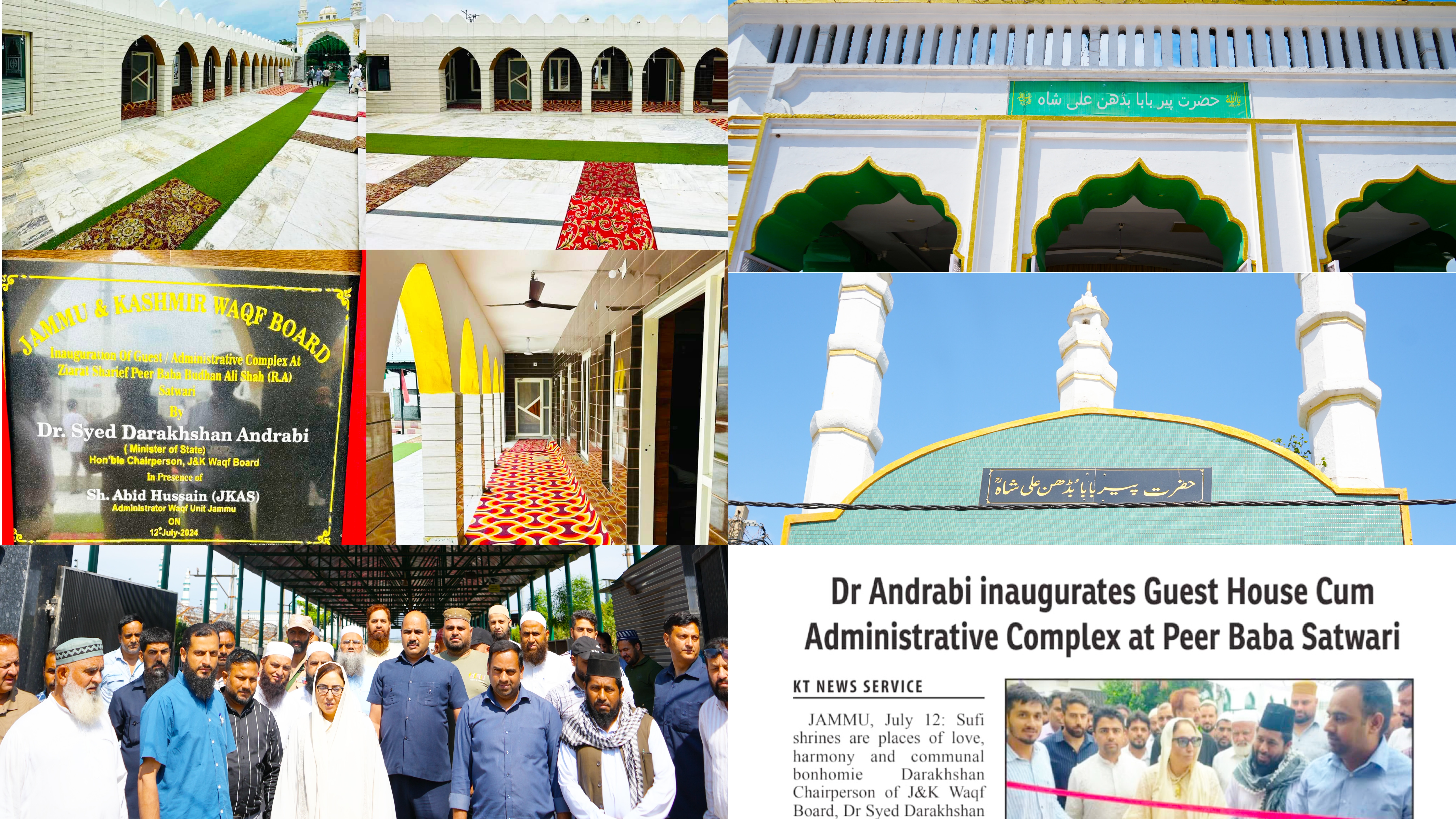
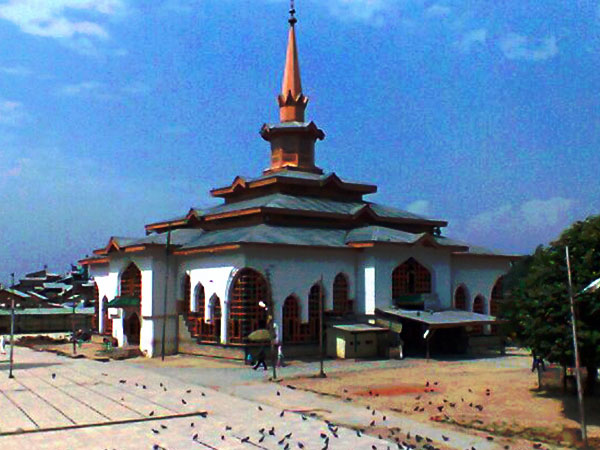
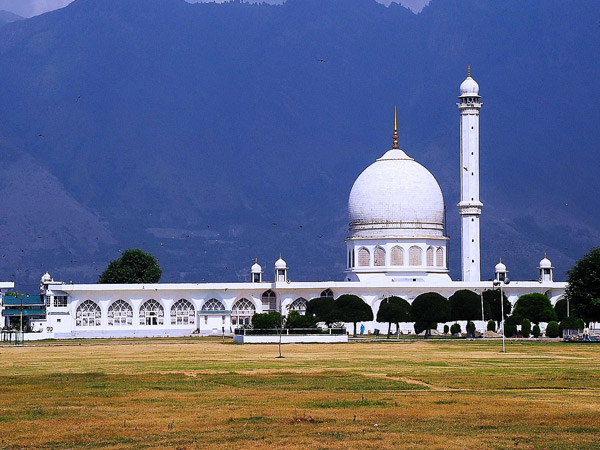
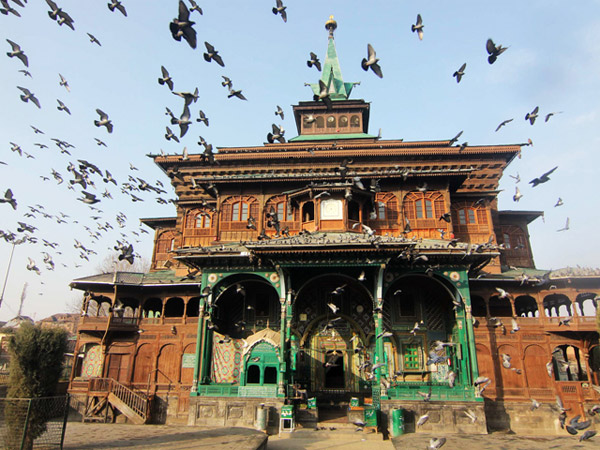
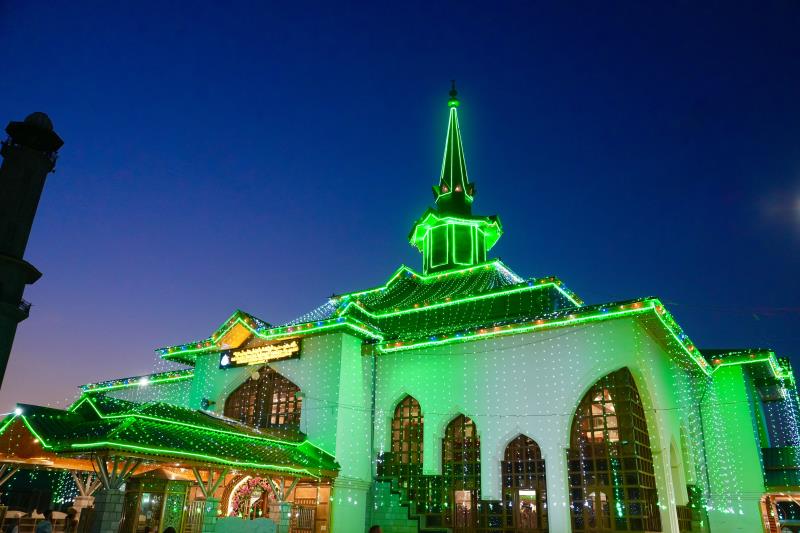
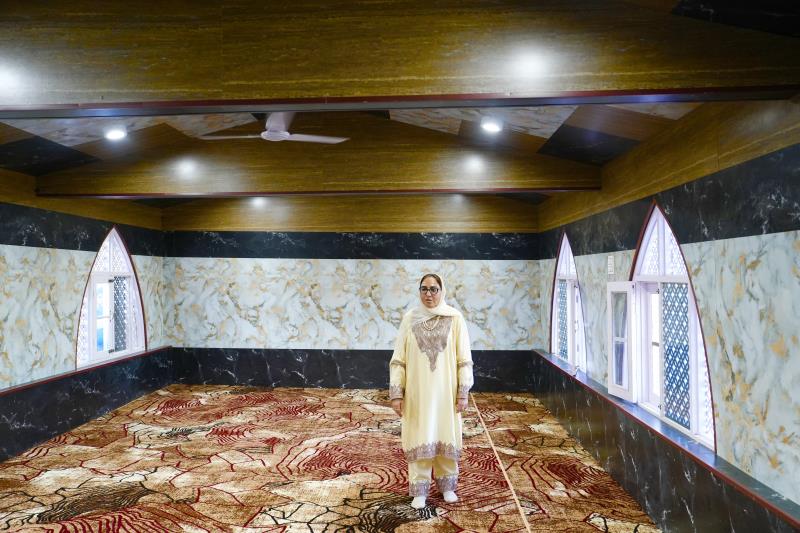
Across Jammu & Kashmir, historic Shrines and religious institutions under the care of the Waqf Board are being developed with improved infrastructure, better facilities for devotees and visitors, cleaner and more dignified surroundings, and greater attention to their architectural, cultural, and spiritual character. The transformation is aimed at ensuring that these sacred places remain worthy of the profound faith and devotion with which people have approached them for generations.
This transformation is not merely about buildings, infrastructure, or physical beautification. It is about preserving the soul of Kashmir’s spiritual heritage. The Shrines and Ziyarat of Jammu & Kashmir represent a living tradition of Sufism, devotion, faith, compassion, harmony, and service. Their preservation therefore carries a responsibility far greater than maintaining physical structures—it means protecting the spiritual environment and religious traditions that have shaped communities for centuries.
A New Era of Transformation
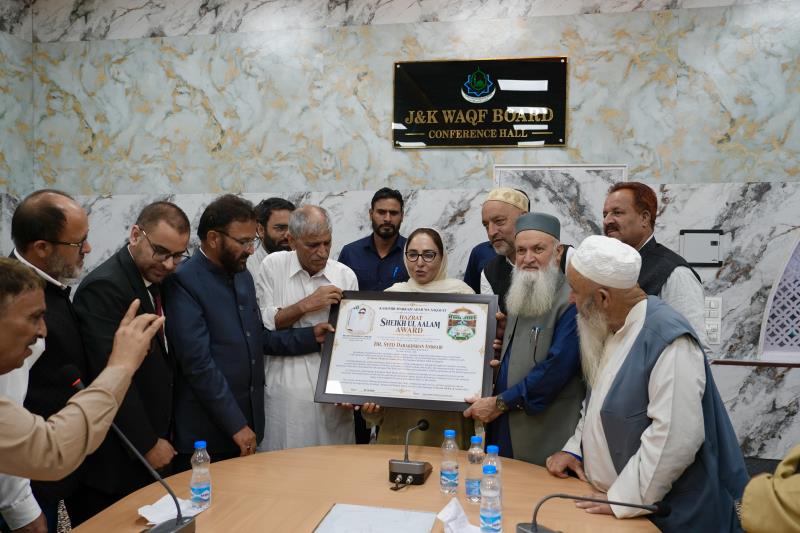
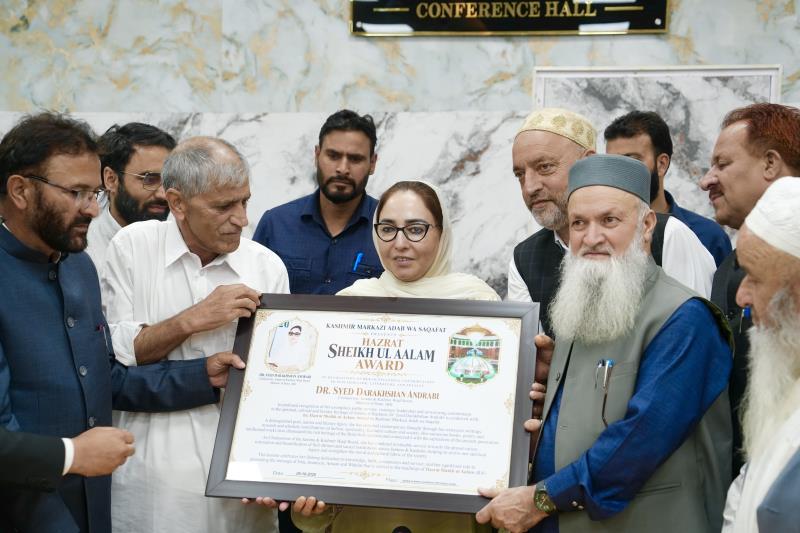
Under the leadership of Dr. Syed Darakhshan Andrabi, Hon’ble Chairperson, the Jammu & Kashmir Waqf Board has witnessed a significant phase of institutional transformation. Administrative reforms, modernization of Shrine infrastructure, improved governance mechanisms, enhanced public facilities, and a renewed focus on service delivery have contributed to strengthening the functioning of the institution.
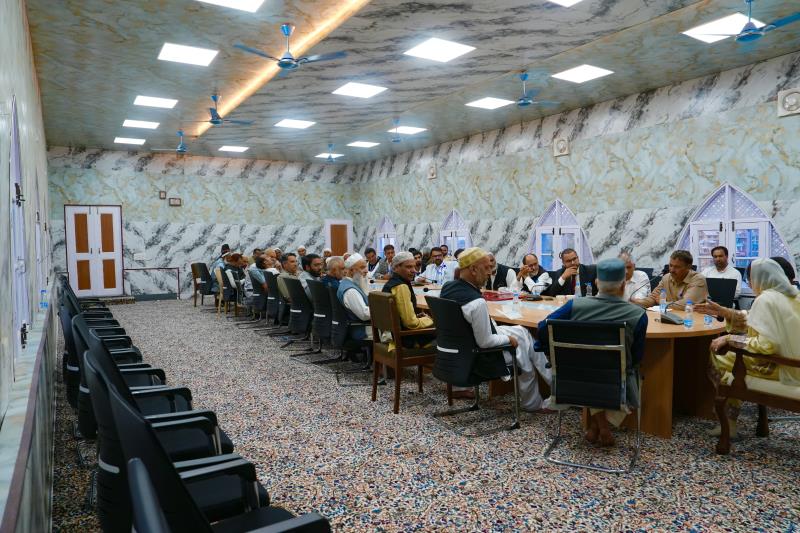
The Board’s approach is guided by the principles of transparency, accountability, innovation, efficiency, and public service. From the preservation and development of sacred spaces to the improvement of facilities for devotees, visitors, students, employees, and communities, the focus remains firmly centred on meaningful and sustainable service.
The objective is clear: to preserve what is sacred, enhance what serves the community, and protect what has been entrusted to Waqf for generations. Every effort towards the development of a Shrine, Ziyarat, Mosque, educational institution, or Waqf property is ultimately directed towards ensuring that these institutions continue to fulfil their religious, spiritual, social, and charitable purpose.
The Jammu & Kashmir Waqf Board is committed to protecting the sanctity of Waqf institutions while ensuring that their resources are utilised responsibly for the benefit of society. Through better governance, modern infrastructure, improved facilities, educational initiatives, charitable programmes, and community-oriented services, the Board continues to strengthen the role of Waqf as an institution of faith, service, welfare, and public benefit.
The preservation and beautification of Shrines and Ziyarat are therefore part of a larger vision—to ensure that the Sufi ethos and religious faith of Jammu & Kashmir remain vibrant, respected, and accessible to future generations. By protecting sacred sites, preserving Waqf assets, improving religious infrastructure, and facilitating meaningful religious activities, the Board seeks to keep alive the spiritual traditions that form an integral part of the cultural identity of the region.
With a vision rooted in integrity, responsibility, compassion, faith, and progress, the Jammu & Kashmir Waqf Board looks towards a future where every Waqf institution is preserved with dignity, administered with transparency, developed with purpose, and entrusted responsibly to generations to come.